
Corny Adventures
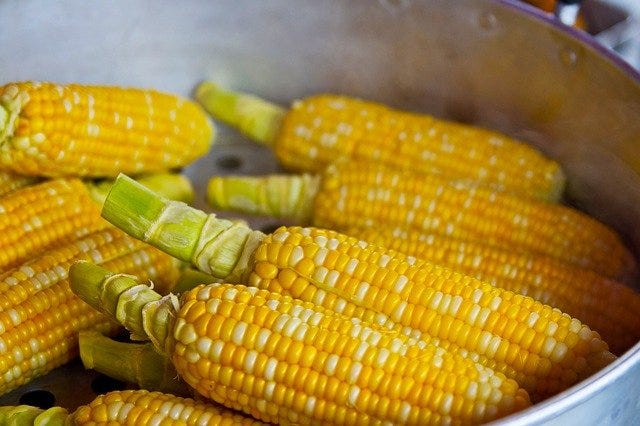
I'm going to be shucking corn all winter!

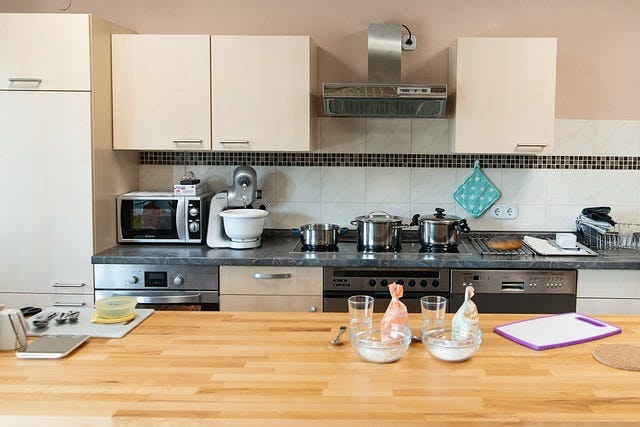
Photo by Jurgen Schmidtlein. Used with permission.
As a former chef and an avid foodie, I often get asked food-related questions by friends, family, and even strangers. One of the most common questions people ask me is,
How can I learn how to cook?
I often respond that it’s best to start small: rather than trying to learn to cook many things, it’s best to start with just one. I usually tell people to choose a simple recipe, and make it over and over and over again, until they have totally nailed it. This helps build confidence.
Then I suggest they try some variations on that same dish, finding ways to make it their own. Then repeat this process with a new recipe.
Another approach is to take a single ingredient and use it in lots of different ways. That is essentially what I am doing with corn in this newsletter.
Grinding cornmeal
This month I looked outside of basic cornbread to get into some new corny adventures. First up: making cornmeal!
I must confess, I hadn’t previously thought much about where cornmeal came from, except that it came from corn. Haha!
I guess I thought cornmeal was made from the same corn we eat on the cob, just maybe dried first. Turns out it is a totally different kind of corn altogether!
That decorative corn that you see sold in the United States around Halloween that’s often labeled “Decorative Corn” or “Indian Corn” is actually flint corn. Too hard to eat like corn on the cob, flint corn is ground to make cornmeal, polenta, corn flour, and other corn products.
I found a local farmer, Jackson’s Produce, who grew flint corn this year. He had a lovely red variety with the rather violent name Bloody Butcher.
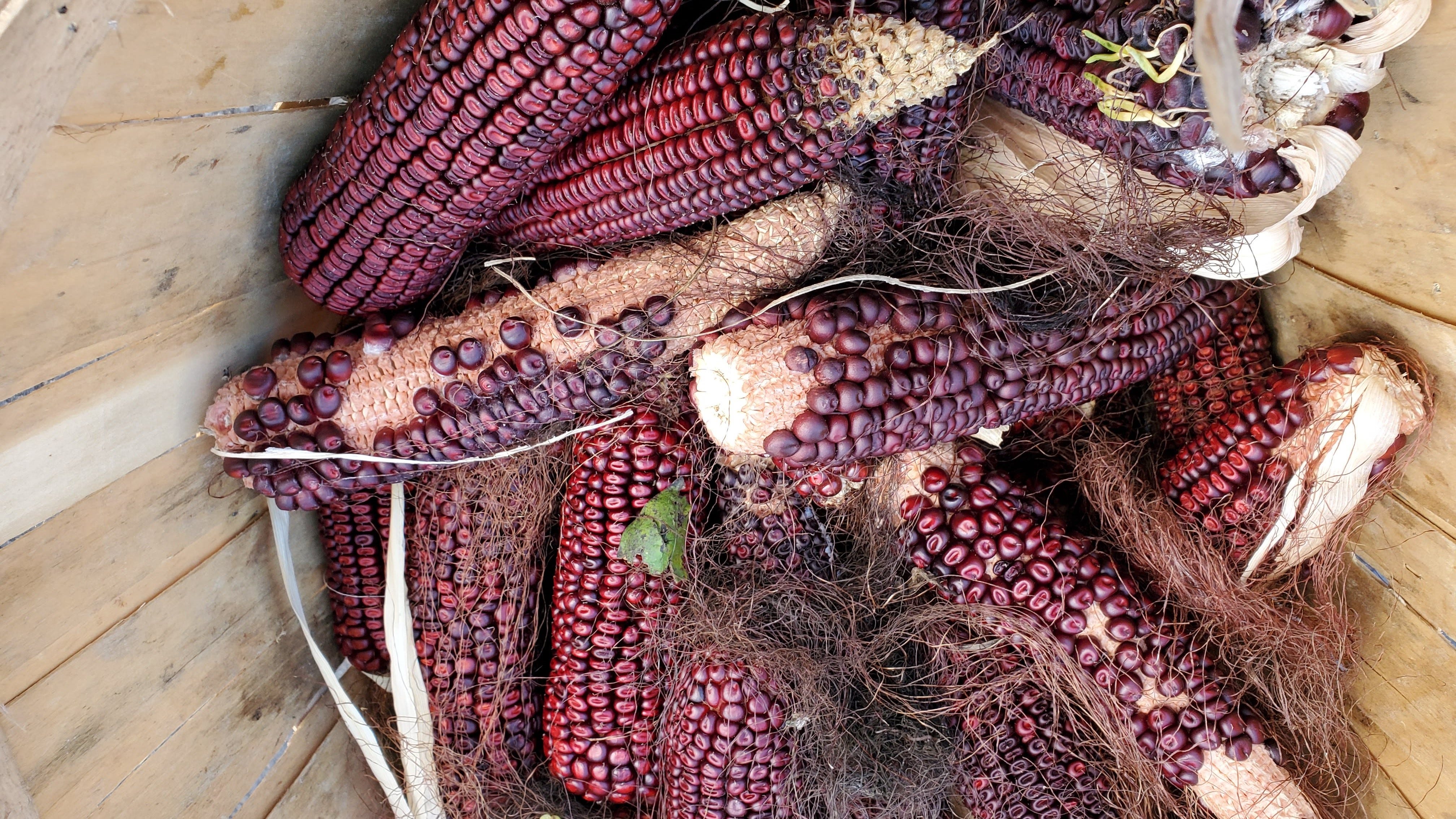
I bought some from him, shucked it, asked a friend if I could use her grain mill, and tried to mill some corn.
However, even though the corn seemed dry to me, it was actually still too wet to mill, it just turned into a paste that mucked up the grinding plates.
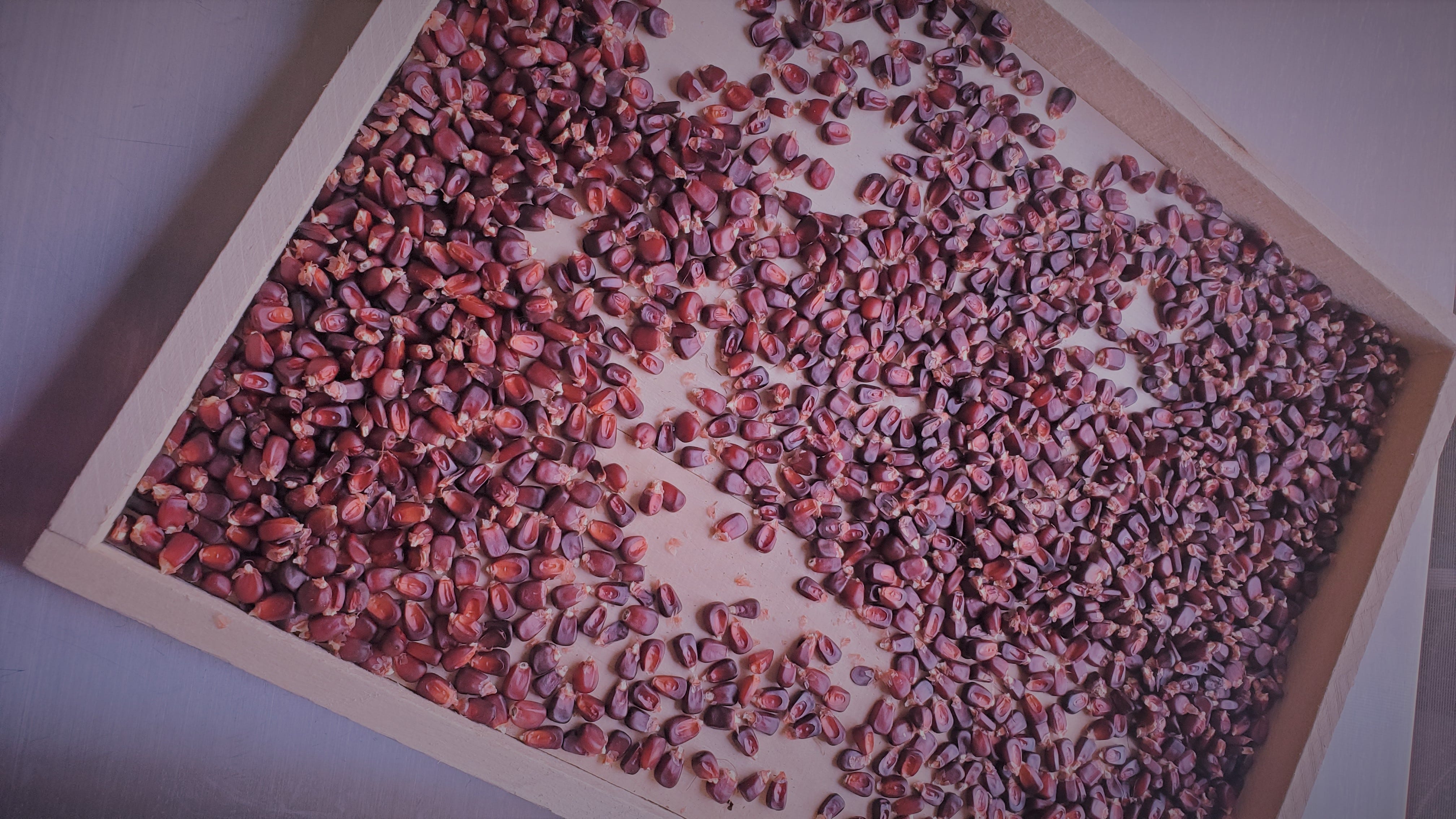
So I now have flint corn drying on trays all over my house, awaiting being ground into cornmeal. I’ll have more on this topic next month, hopefully!
Jo(h)nnycakes
While I was waiting for my cornmeal to dry, I decided to play around with a type of skillet cornbread called Johnnycakes, or Jonnycakes, or Journeycakes.
No one can seem to agree on the name, exactly where they came from, or how to make them. It’s very likely that Native Americans taught settlers how to mill native corn varities and turn the meal into these tasty griddle corncakes.
It’s possible the name came from the Shawnee (jawn-nee) tribe’s name, or maybe the fact that these cakes were very portable (Journey-cakes). We likely won’t ever know for sure.
People who grew up eating Johnnycakes typically have streong opinions about them, though!
I love food controversies that turn people into passionate, opinionated little monsters, determined to clearly communicate THE CORRECT WAY of making something they really love. It’s funny and fascinating!
My Jo(h)nnycake Journey
Anyways, I started my Johnnycake journey using a recipe from America’s Test Kitchen, a grest source for recipes that work. Their Johnnycake recipe was published in Cook’s Country magazine in the June/July 2014 issue.
It’s highly debated where Johnnycakes first appeared; however, Rhode Island seems to be the place that is keeping this tradition alive. They even have a Society for the Propagation of the Jonnycake Tradition in Rhode Island! Not surprisingly, this organization is not on Twitter, or Facebook, and I could only find a P.O. Box for contacting them.
Apparently in Rhode Island, in addition to the Johnnycake naming controversy, there are intense disagreements about whether these corn cakes should be thick or thin, made with water or milk, with the liquid cold or hot.
The Cook’s Country recipe used boiling water to make thick ones, so that’s what I made. Gotta start somewhere, even if I make half of Rhode Islanders hoppin’ mad! (Or perhaps “popping mad”??)
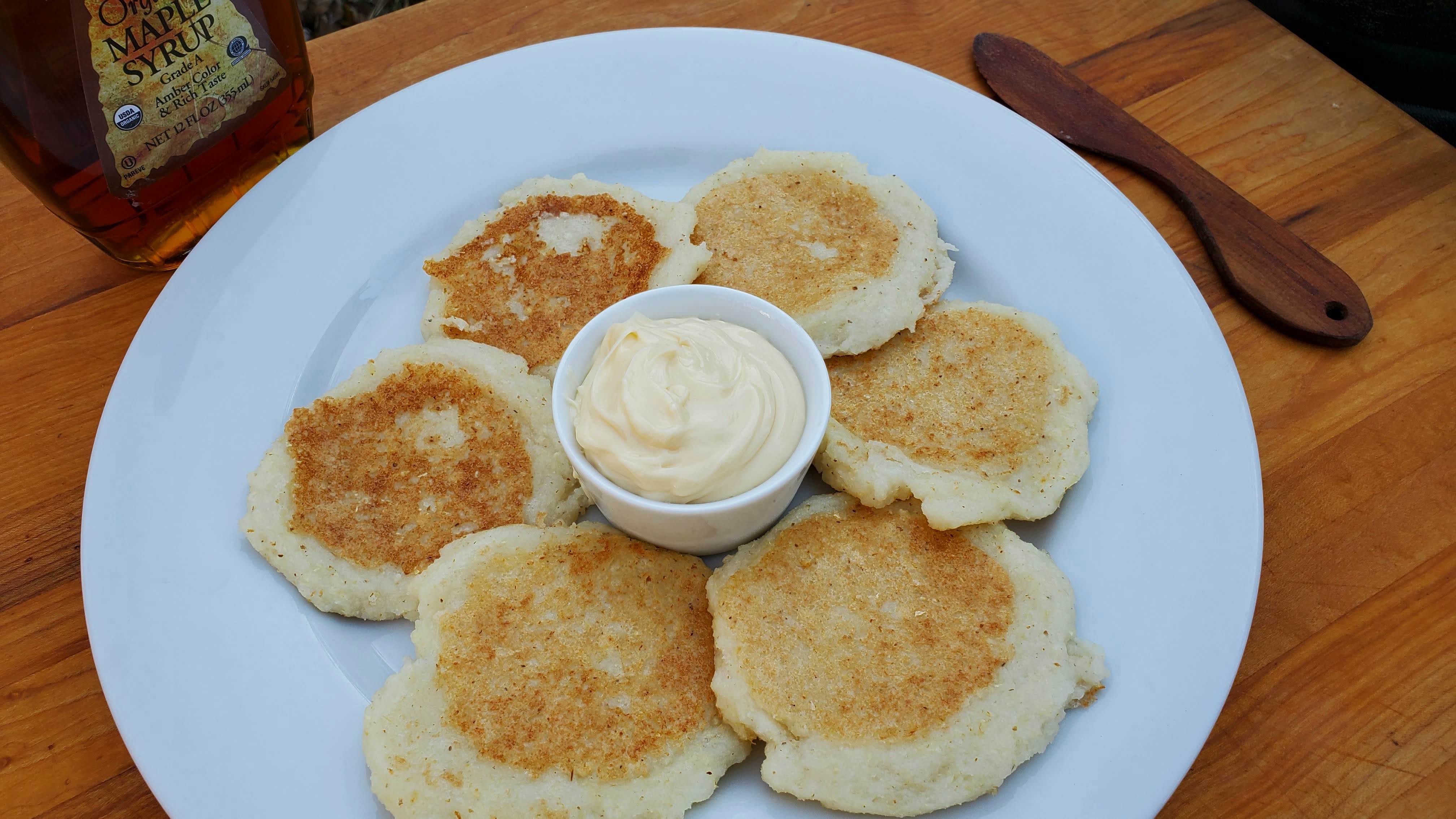
The Johnnycakes were a little tricky to make, but were very, very delicious, especially served with maple butter. After posting about them on Twitter, one commenter told me I needed to get authentic Jonnycake meal from Kenyon’s Grist Mill in Usquepaugh, West Kingston, Rhode Island. I ordered some, but it hasn’t arrived yet.
Apparently, Kenyon’s is the only mill in Rhode Island to offer authentic Jonny Cake meal.
Did you notice, there isn’t any “H” in that spelling of the word?
This means their Jonny cake meal is exclusively made with flint corn that has been grown and ground in Rhode Island. The Rhode Island state legislature apparently has a law that’s been on the books since 1920, only allowing this spelling to be used to designate this special product. Fascinating! Read more on this in the New York Times article about it.
Stay tuned for more corny adventures in December!!
As always, I am open to feedback about this newsletter and things you’d like me to look into!
Corny joke:
Question: What do you call an ear of corn riding a one-wheeled bicycle?
Answer: A UNICORN!!